

Ocean-Bound Community Collection and Recycling of Mixed Plastics in West Java, Indonesia (PPRS)
Ocean-Bound Community Collection and Recycling of Mixed Plastics in West Java, Indonesia (PPRS)
Plastic waste mismanagement is one of the defining environmental challenges of our time. The project partner tackles this head-on by building a large-scale, community-driven collection network that enables consumers to return all types of plastic household packaging, including flexible and rigid plastics that are typically under-collected or improperly disposed of.
Operating across more than 50 locations on Java, the program uses a cash-for-plastic model, with payments transferred directly to collectors' digital wallets through an application. By placing economic value on waste, the model incentivizes responsible disposal and reduces plastic leakage into rivers and oceans. In areas without formal waste infrastructure, it offers a sustainable alternative to open burning and environmental dumping.
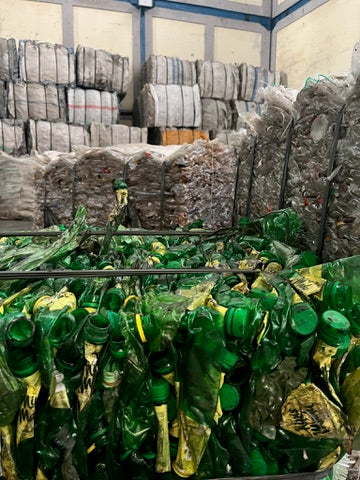
Collection is structured around a multi-stakeholder network: individual consumers, local communities, informal waste pickers (pemulung), and aggregation hubs (lapak) all channel plastic to a dedicated Material Recovery Facility (MRF). At the heart of this network sit the project collection hubs— community-embedded collection points that serve as the critical link between local waste generators and the formal recovery system. Each hub acts as a trusted, accessible drop-off point where households and small-scale collectors can bring all types of mixed plastics, receive immediate payment, and participate directly in the circular economy. By decentralizing the collection process, the hubs remove barriers to participation and ensure that even the most remote or underserved communities have a viable route for responsible waste disposal.
Beyond logistics, the project carries significant social value. They create visible, local anchors for behavior change, normalizing plastic return as a community habit rather than an exception. The hubs also serve as platforms for education and outreach, fostering awareness around plastic pollution, proper sorting, and the broader environmental stakes. In many areas, they represent one of the few formal touch points connecting informal waste workers to a dignified, structured, and financially rewarding livelihood.
At the MRF, collected materials undergo manual and mechanical sorting, cleaning, and baling. The resulting high-quality bales are sold into the recycling industry, reducing reliance on virgin plastic and supporting local circular manufacturing systems.
The project is registered under the Plastic Pollution Reduction Standard (PPRS). The project also holds Ocean Bound Plastic (OBP) Recycling Subprogram Certification issued by Zero Plastic Oceans (ZPO), independently verifying that the plastic collected is genuinely at risk of entering the ocean and is being managed ethically and responsibly. Together, PPRS and OBP certification provide buyers with a robust dual layer of credibility — covering both the integrity of the credit issuance process and the ocean-bound status of the material itself.
Revenue from plastic credit sales is reinvested directly into scaling the network, expanding processing capacity, upgrading infrastructure and equipment, and extending the reach of the project into underserved and remote communities. Educational programs in schools and local communities complement the collection activity, deepening engagement and long-term behavior change. As an approved 1% for the Planet Impact Partner, PCX Markets enables members to support credible, measurable plastic recovery through projects such as this one.
With continued investment, the initiative aims to expand across a wider geographic footprint throughout the Indonesian archipelago, amplifying environmental impact and delivering inclusive economic opportunity at scale. This is a transparent, regenerative model for plastic recovery, built to grow.
Project Title: Ocean bound and Community Collection of Mixed Plastics Waste for Mechanical Recycling in West Java, Indonesia
Auditor: PT. Qualitas Sertifikasi Indonesia (QSI)
Available Capacity: 1000 Metric Tons
Annual Capacity: 3600 Metric Tons
Cleanup: River / Waterway (Ocean-Bound) and Household
Vintage: 2025
Location: Indonesia
Plastic Type: HDPE, LDPE, PVC, PET, Polypropylene, and Polystyrene
Processing Type: Recycling
Standard Applied: PPRS
Couldn't load pickup availability
Share