

1
/
of
5
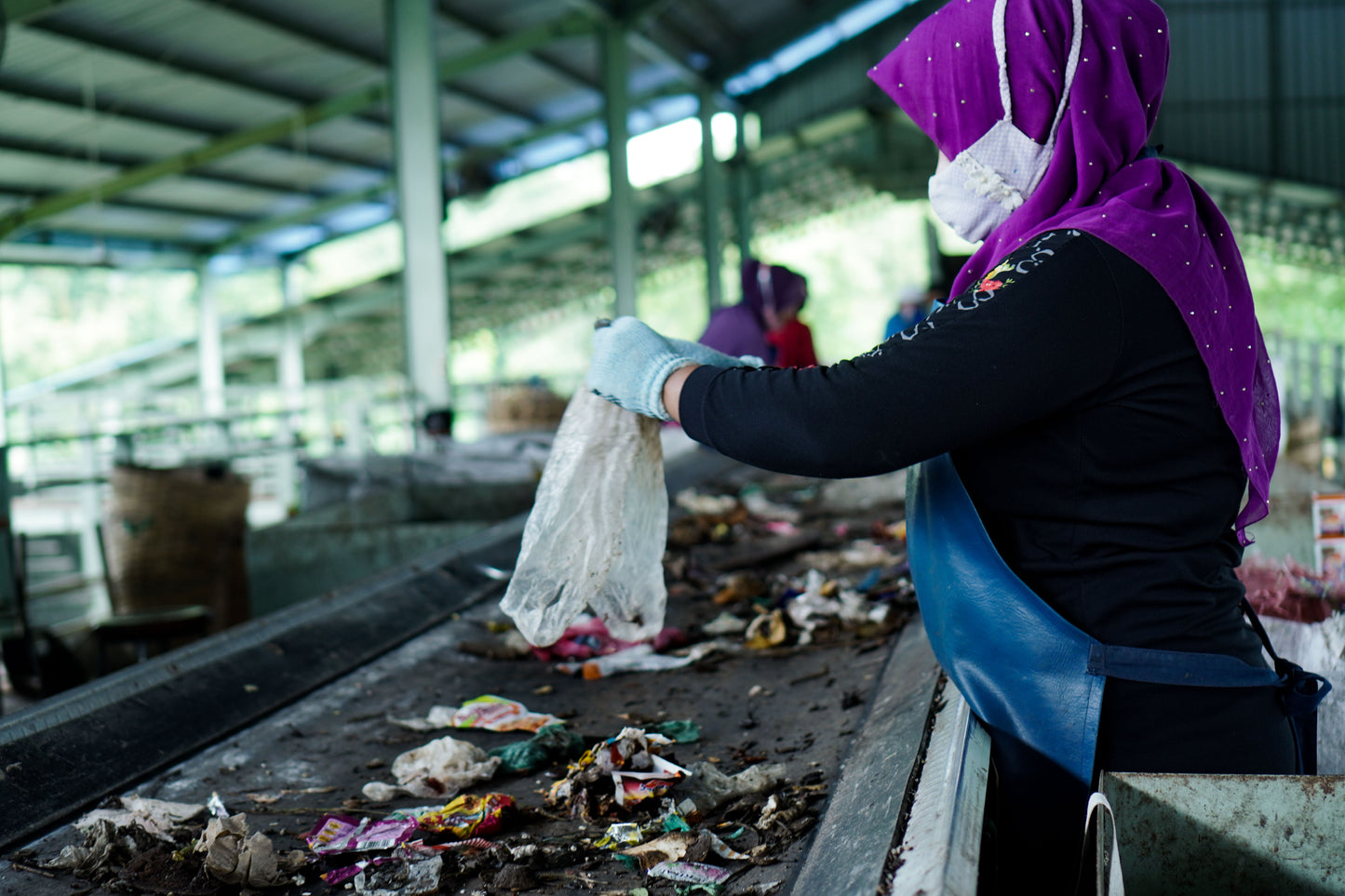
Collection of Mixed Plastics in Lekok, Indonesia (PWRS)
Collection of Mixed Plastics in Lekok, Indonesia (PWRS)
Regular price
$139.00
Regular price
Sale price
$139.00
Unit price
/
per
In Indonesia, only around 40 percent of waste is formally collected, while an estimated 40 million tons are mismanaged every year. Uncollected waste has become the leading source of plastic leakage into the environment, making Indonesia the third-largest contributor to marine plastic pollution globally. Addressing this challenge requires scalable, community-based solutions in areas with limited waste infrastructure and high vulnerability to ocean-bound plastic.
This initiative operates in three coastal communities across Indonesia, where all household waste is collected by locally owned and managed waste systems. These systems were initially supported during setup and have since been fully handed over to local operators. Households pay a small monthly fee for regular, twice-weekly collection and are provided with separate bins for organic and non-organic waste. The collected materials are brought to a local sorting facility, where they are separated for recycling or proper disposal based on market demand.
All household waste is collected and sorted to recover valuable materials, including both rigid and flexible plastics, along with other common recyclables. Because the communities are located within 45 kilometers of the coastline, the system plays a crucial role in preventing plastic from leaking into the ocean. At the sorting facilities, waste is processed along a conveyor system, where trained staff manually separate recyclable materials. In some cases, a second sorting process is used to ensure higher material purity. Once sorted, plastics are baled and delivered to domestic aggregators and mechanical recyclers. While the initiative does not flake or pelletize material on site, it supports the upstream supply of clean, sorted plastic into Indonesia’s recycling value chain.
All surplus revenue generated through plastic credit sales is reinvested into the community-owned waste systems. These funds are used for capital expenditures such as replacing worn-out collection vehicles, upgrading infrastructure, or maintaining facilities. The additional financing is not used for day-to-day operating costs, ensuring long-term sustainability and impact.
This model supports the Indonesian government’s national waste targets, which aim for 90 percent waste handling and a 30 percent reduction at source through reduce, reuse, and recycle efforts. By working closely with local authorities and communities, the initiative contributes to building effective, circular waste management systems that increase recycling rates, create jobs, and significantly reduce the negative impacts of unmanaged waste on public health, biodiversity, and the climate. Through this locally led and scalable approach, the system demonstrates that it is possible to intercept plastic at the source while delivering meaningful social and environmental benefits.
PCX Markets is an approved 1% for the Planet Impact Partner. Through PCX, members can support verified plastic recovery projects, including this one.
Project Title: Project STOP
Auditor: Control Union Certifications B.V.
Available Capacity: 150 Metric Tons
Annual Capacity: 500 Metric Tons
Cleanup: Landfill Diversion, Household, and River / Waterway (Ocean-Bound)
Vintage: 2021-2026
Location: Indonesia
Plastic Type: HDPE, LDPE, PET, PVC, Polypropylene, and Polystyrene
Processing Type: Collection Only
Standard Applied: Verra PWRS
Couldn't load pickup availability
Share